Category Archives: The Nature of Cedar Mill
Garden News November 2022
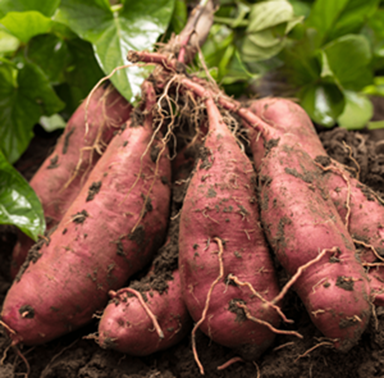
• Make your community pollinator friendly
• Growing the Good Stuff: from Sweet Potatoes to Bitter Melons
• Education Garden gets certified
Community News November 2022
• A concert in honor of BSO Conductor Travis Hatton
• Beaverton Community Band Fall Concert
• SHS Bottle & Can Drive
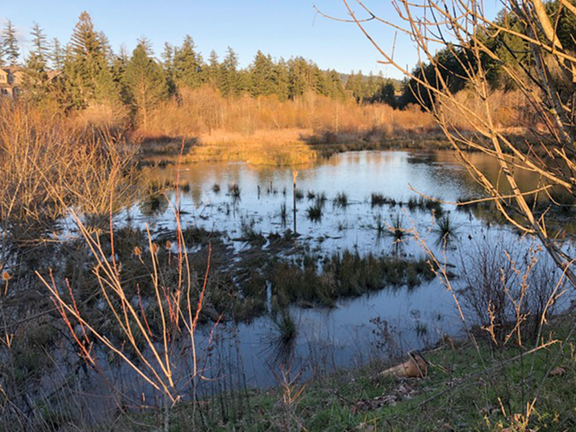
• Volunteer for the Wetlands Conservancy cleanup in Cedar Mill
• Treekeepers’ Fall Color photo contest deadline extended
• NW Restart presents NW Creations Night Market
• County offers in-home vaccinations
• Family Caregiver Conference
• Chess4Girls PDX!
• MAX Blue Line disruption
• November Viva Village events
• Cedar Mill Scouts meet weekly
• Prevent flooding during the rainy season
• Tualatin Valley Creates networking event
• Put a Lid on Cooking Fires
Beavers: nature’s firefighters!
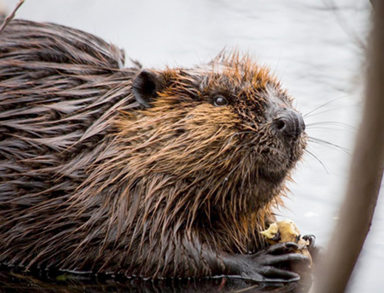
Smokey the Bear may be famous as the animal who helps prevent forest fires, but North American beavers, Castor canadensis, are much better at fire prevention.
Under the spreading hickory tree
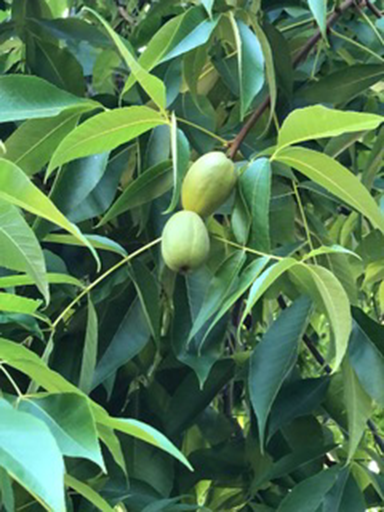
You can enjoy the large, spreading shade of a special tree, a Shellbark Hickory (Carya laciniosa), right here in Cedar Mill, at the John Quincy Adams Young House park.
Garden news September 2022

• Cedar Mill Garden Club is active again!
• How Climate Change is Affecting Trees in Oregon
• Managing Soils in the Garden
• Success with Pacific Northwest Native Plants
• Naturescaping workshops
An ash tree’s worst nightmare
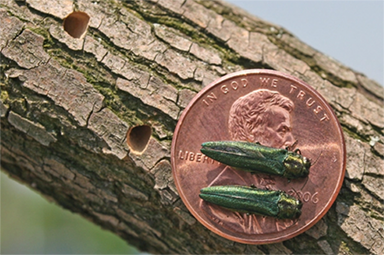
The emerald ash borer (EAB) beetle (Agrilus planipennis) is being called the most destructive forest pest in North America, and that’s saying something when you consider the devastation caused by other pests such as gypsy moths and bark beetles.
It falls over lava! The geology of Cedar Mill Falls
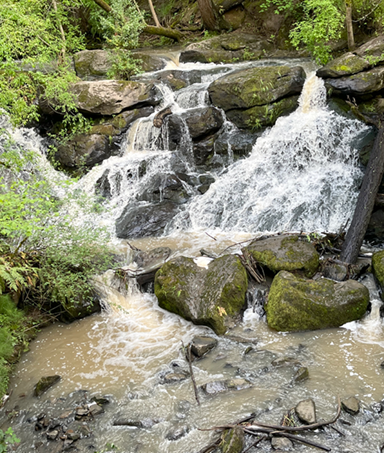
Cedar Mill Falls is the only waterfall in eastern Washington County, and one of the only urban-area falls in Oregon.
Ash trees cool the water for fish
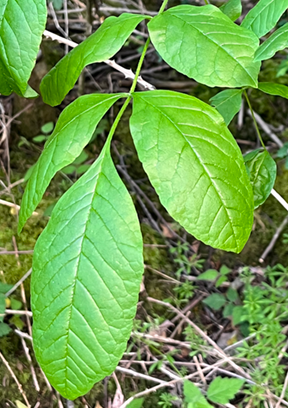
Ash trees provide more than just wood for baseball bats. Oregon ash trees (Fraxinus latifolia) are particularly suited to soggy soils and give back by shading streams for fish.
Bend like a willow
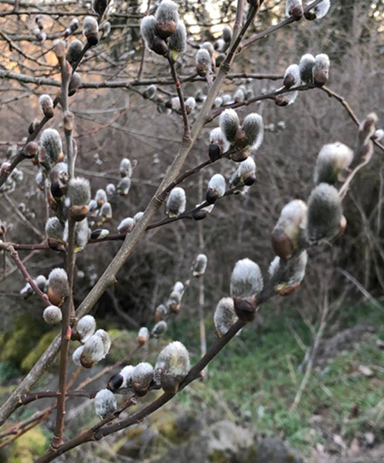
Willows are ecological heroes when it comes to providing habitat and support for wildlife year round. They help reestablish vegetation, especially along riverbanks and flooded or burned areas. And they are a vital source of food for all kinds of wildlife, in particular as a host plant for many, many types of caterpillars. You may not be the biggest fan of caterpillars, but birds are.
Area wetlands gain a footing again—with help
It’s no accident that Oregon is named “The Beaver State.” Beaver-created wetlands historically laced this entire region. Often called “nurseries of life,” wetlands provide important habitat for thousands of species of plants and animals.
Grandmother Madrone
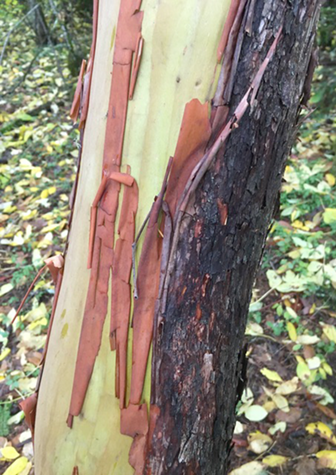
The Pacific madrone (arbutus menziesii), a Pacific coast native, is like a stubborn grandmother who refuses to be moved from her run-down old farmhouse to a fancy new condo where she can be lovingly cared for by those who love her. She prefers rocky soils and arid areas often in the middle of a dense Doug fir stand, or an inhospitable roadside bank rather than a well-tended and watered garden spot.
Garden News February 2022
• Now’s the time to edit your garden!
• Early season vegetables
• More OSU Extension and Master Gardener programs
• Tree and native plant sale at Skyline Grange
• Native plant sales and more