Garden & Nature
- Planning for Pollinators!
- WCMGA is taking a summer break!
- Identify and Prevent Heat Stress in Plants
- Treekeepers of Washington County programs
Planning for Pollinators!
The Cedar Mill Garden Club is a small group of friendly people who love gardening. Come join us for gardening discussions, outings to local gardens and nurseries, luncheons, lectures and more! All levels of gardening experience are welcome.
Members recently cleared weeds along NW Saltzman Road at Leedy Grange. Plans are coming together to plant a pollinator-friendly garden for bees, butterflies, birds and people to enjoy. Keep your eye on the spot for developments. For more information about the Garden Club, or to donate needed materials, please contact Club President Cathy Ramsey at 503-866-4222 or through email at cathyramsey308@gmail.com.
WCMGA is taking a summer break!
Washington County Master Gardener Association is taking a well-deserved rest to tend to our own gardens and have no programs planned for July. Check back in August. There are ample opportunities to advance your gardening knowledge and skills right here in Washington County. OSU Extension Master Gardener volunteers and the Washington County Master Gardener Association (WCMGA) offer a lineup of classes, lectures and family friendly events year round. All events and details being planned for August can be found on the WCMGA events calendar.
Identify and Prevent Heat Stress in Plants
Plants grow best in temperatures ranging from 56 to 86 degrees Fahrenheit. When there are sustained temperatures of 90 degrees or above, plants grow more slowly and begin to show signs of stress. Extreme air and soil temperatures combined with low humidity and wind cause a slowdown of chemical activity and plant growth. It is important to recognize signs of plant stress so you can adapt to the garden environment or adjust irrigation.
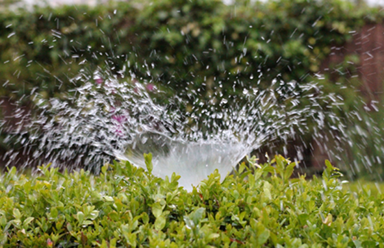
The following are signs of plant stress: 1) Dry leaf edges are a survival mechanism used by some plants that cause the outer edges of the leaves to dry up while allowing most of the leaf to function. It is most common in large-leaved plants like pumpkins and squash but can be found on other plants. 2) Wilting occurs when there is a lack of water pressure in the plant. A plant that wilts in the hottest part of the day but recovers in the evening and early morning is suffering from heat stress. This is most often found in non-woody annuals and perennials. 3) Leaf rolling and cupping is a heat coping strategy found in corn and tomatoes. The leaves roll and cup to minimize the leaf surface and the stomata (microscopic openings in leaves that allow movement of moisture and gasses) close. This reduces moisture loss in the plant. 4) Blossom and fruit drop is a strategy plants use to conserve resources for the parts of the plant necessary for survival. Blossom and fruit drop occurs in peppers, cucumbers and squash when high temperatures persist. 5) Bolting is a premature flowering of the plant before it would be typically harvested. Cool season plants like cilantro, broccoli, cauliflower, lettuce and spinach should be harvested before the arrival of a heat wave. 6) Sunscald or sunburn on fruits is caused by exposure to the hot sun during high temperatures. Sunscald looks different on various fruits and sometimes resembles a watery area, discoloration, or blister on the skin of the fruit in addition to dried-out fruit, or sunken hardened areas on the fruit surface. Damage occurs on the side of the fruit exposed to the sun. 7) Blossom End Rot is a common problem in tomatoes due to deficient calcium. It becomes more of a problem with high temperatures and potential sunscald. Avoid letting the plant completely dry out before watering.

Learn how to reduce heat stress in this article from the Clackamas Master Gardeners Association: How To Identify and Prevent Heat Stress in Plants.
Treekeepers of Washington County programs
We work to protect and advocate for trees in urban unincorporated Washington County. Don’t miss our upcoming events! All of them are free. Visit the Treekeepers website to learn more.
Tree Talk Webinar: Trees and Watersheds
Wednesday, July 16, 6:30-8 pm, Zoom link, free
Join us for this webinar as Riparian Specialist Eric Butler discusses how trees relate to the water cycle, protect streams and water quality, support the in-stream environment—and how to use them in restoration. Eric is a landscape ecologist interested in protecting, restoring, and reconnecting ecosystems at the watershed scale.