Japanese Beetle funding restored
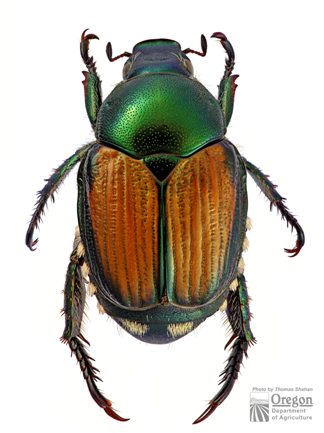
The Oregon Department of Agriculture (ODA) will resume the program to treat this pest after the 2026 session of the Oregon Legislature provided renewed funding for two more years during the short session earlier this year, ODA announced in a press release.
Cedar Mill has been “ground zero” for an effort to prevent the spread of the destructive invasive pest that arrived in detectable numbers here in 2016. Treatment programs conducted by ODA had reduced the number of beetles caught in traps by 92% since the start of the effort.
However, in 2025 the Oregon Legislature failed to fund the program. ODA can’t say exactly how much that has set back the project. They are currently sending online approval forms to homes and businesses in the affected areas so they can roll out the treatment program as soon as possible. In spite of a late start, they believe the applications can be done in time for the granules to penetrate the soil and kill off the larvae who spend time primarily under turf.
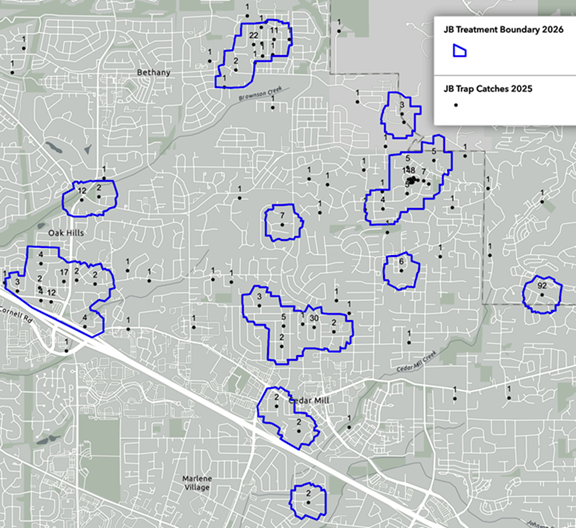
You can find out if your property is in the treatment area by visiting this map and entering your address. You can learn more about the effort on the ODA information page, including details about the treatment and more about the beetles.
To help ODA reduce the current population of JB, be on the lookout for treatment notifications and submit your consent form online at your earliest convenience. They are relying more on the online form this year, but they will visit properties in person if they don’t get permission in time. Hosting a trap in your yard and keeping an eye on traps placed in your neighborhood also helps to support the ODA’s efforts. State employees may ask for access to your property to place and check insect-monitoring traps.

You can further help the spread by not sharing plants with others (plant swap or local fundraisers) and by making sure your green yard waste either goes in your yard debris container or is taken to Best Buy, which is the only location accepting waste from the affected area.