Winter Weather Reminders and Resources December 2025
We’ve seen forecasts that this winter may have more snow than usual. Of course, here in the Pacific Northwest, we’ve learned to believe it when we see it! But here are some reminders and resources to help you keep safe and comfortable this winter.
Roads and travel
Washington County Land Use & Transportation (LUT) designated portions of 175th Avenue, Cornell Road, Barnes Road, and Grabhorn Road as snow zones due to traffic volumes, road classifications, elevations, slope, and frequent challenging driving conditions during winter weather. The Operations and Maintenance Division management team decides when to activate snow zones based on feedback from the plow and sand truck operators.
When the snow zone lights are flashing, drivers are required to have traction devices on their vehicles. Establishing snow zones provides an opportunity to warn travelers about these conditions so they have traction devices and will drive cautiously. If you abandon a vehicle without traction devices in these areas you’ll get a hefty fine and your vehicle will be towed.
Towing: LUT Operations and Maintenance and the Sheriff’s Office work cooperatively to determine which vehicles pose a threat to safe travel and road maintenance activities before the Sheriff’s Office initiates the request to have the vehicles towed. Vehicles are subject to immediate towing if they are in the travel lanes, and we cannot get our equipment in to plow and sand the road. Otherwise, the Sheriff’s Office tags abandoned vehicles with a notice to give owners time to retrieve vehicles before they are towed. Road crew operators and supervisors identify areas of concern and then the Sheriff’s Office take the lead in the actual removal of vehicles once it has been determined that the tow is warranted.
LUT closes roads only if needed on a temporary basis. For example, we might close a road to remove abandoned vehicles that prevent safe snow plowing/sanding operations or if trees or power lines have fallen across the road.

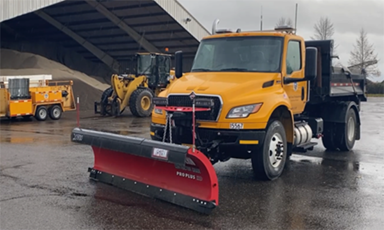
Snow and ice removal: if snow or ice is in the forecast, we may apply anti-icer beforehand to prevent slippery conditions. We don’t use road salt to melt ice and snow on the roads because of cost and its impact on roads, cars and the environment.
Once cold weather arrives, we may sand some roads to make them less slippery. We also plow roads as needed. We have limited resources and can’t provide snow and ice removal services everywhere. We prioritize roads that connect important buildings, emergency services and major corridors. Neighborhood streets aren’t plowed outside of extreme conditions and until we clear higher priority roads.
Power outages
Portland General Electric (PGE) provides power in most of our area. They maintain an outage map year-round so you can check and see if any outage you experience is part of a larger issue. You can also sign up to get a text message if your power goes out and also receive updates on restoration. Make sure your mobile phone number is up-to-date by checking your account. If you don’t see your area in the outage map, you can report it using the orange button on the map. Download the PGE app from the Apple store or get it on Google Play to receive up-to-date outage info, report an outage and access your PGE account.
The PGE website has tips and resources to help you prepare for a power outage, including information about generators, building a home kit, and more.
Water
Tualatin Valley Water District provides water to urban unincorporated areas including Cedar Mill and Bethany. Their website has a lot of information on how to prepare for and recover from freezing pipes.
Before freezing weather, disconnect and drain hoses from outside faucets. Cover or wrap outside faucets to prevent them from freezing. Foam covers are widely available at building supply stores. Turn off and drain irrigation systems and backflow assemblies, or have your gardener do it. This PDF presentation and video has information on how to do it, along with more winterization tips. Cover foundation vents with foam blocks, thickly folded newspaper or cardboard. Insulate hot and cold pipes in unheated areas, such as the garage, crawl space, or attic. Show household members how to turn off water to the house in case of emergencies.
General preparation
Invest in a couple of charging blocks and make sure to keep them fully charged. Being able to power communication devices in an emergency is critical. Make sure you have car charging cables to fit your important devices.
Check your flashlights, make sure you have fresh batteries for them. Get headlamps for family members if you don’t have them. Battery-operated lanterns are helpful.
Make sure your family members have long underwear! Dressing in layers helps keep you warm if the power goes out.
Gas stoves and fireplaces may be able to be lit without electricity. Check your owners manual so you know how to do that safely. Don’t use a gas stove to heat your home, because of dangerous fumes, but being able to cook is helpful.