Are you ready for measles?
We asked Washington County Health and Human Services about the likelihood of seeing measles in Washington County, and what we could do for treatment and to be protected. Thanks to Afiq Hisham, Public Health Communications Coordinator for these answers.
Outlook for when we might see it here?
The risk for widespread measles remains low in our area since most people in Washington County have been vaccinated against the virus. However, nationally and globally the number of measles infections has increased, so the risk of exposures and measles infections occurring in our area is greater than in past years. Washington County Public Health is working in partnership with Oregon Health Authority (OHA) to better understand the overall risk of measles in our jurisdiction, neighboring counties, and across the state.
If you think someone has it
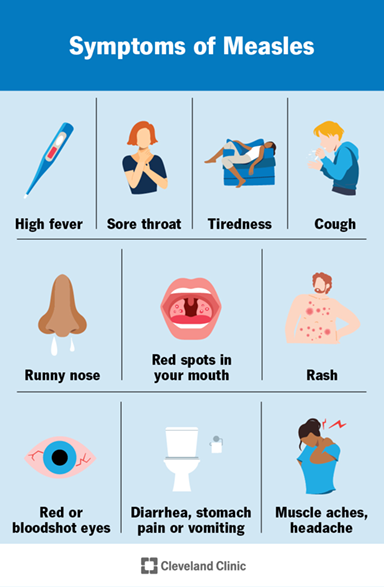
Anyone who thinks they have measles symptoms (e.g., fever with cough, runny nose, or conjunctivitis [eye redness], followed by a rash that spreads down the body) should call their doctor or a health care provider to set up an appointment. Measles spreads very easily. Calling and scheduling allows your provider to set up a plan to see you safely and minimize potential risk of spreading measles to other spaces and people. If someone is very sick and needs emergency care, we recommend they call ahead to the emergency department or send someone inside to communicate that a patient may have measles. Wearing a well-fitting medical mask when possible can also greatly decrease the risk of spreading measles to others.
Finding care
Those who don’t have a primary care provider or doctor may find the following resources helpful: Call or text 211 for assistance with finding a local clinic, even if the caller doesn’t have insurance; The Washington County Health Care Resource Line at 503-846-8851 for help finding services; Washington County’s clinic information page; Links to different provider directories — including searchable urgent care options—through our partners at HealthShare of Oregon.
What are the vaccination rates locally?
Washington County Public Health encourages parents, caregivers and families every year to catch their kids up on vaccinations ahead of School Exclusion Day in February, and this effort shows in local measles childhood immunization data. For instance, data during the 2024-25 school year shows that 94.1 percent of K-12 students in Washington County had at least the first MMR shot. Similarly, 94.7% of local kindergarten students completed the MMR vaccine series during that same school year.

I’ve heard that anyone who is unvaccinated, any age, can benefit from getting it now. Is that true?
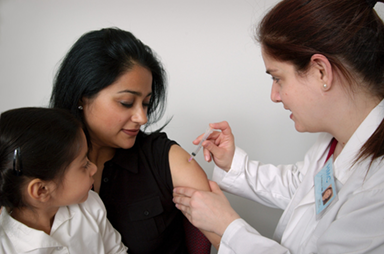
We encourage people to learn and know about their own and their family’s vaccination status, as getting the measles, mumps, rubella (MMR) vaccine is the best and safest way to prevent measles from spreading. Two doses of the MMR vaccine are 97% effective at preventing measles for life. Children are recommended to have two doses of MMR vaccines, with the first starting as early as 12-15 months. The second dose is usually given between ages 4-6. Adults are recommended to have at least one documented dose of MMR. Some adults at higher risk of getting measles are recommended to have two doses if they don’t have other evidence of immunity. Learn more on the county’s website here.